‘How do the components in public (transport) environments impact user wellbeing? A case study of London Bridge Station’: a self-led research project.
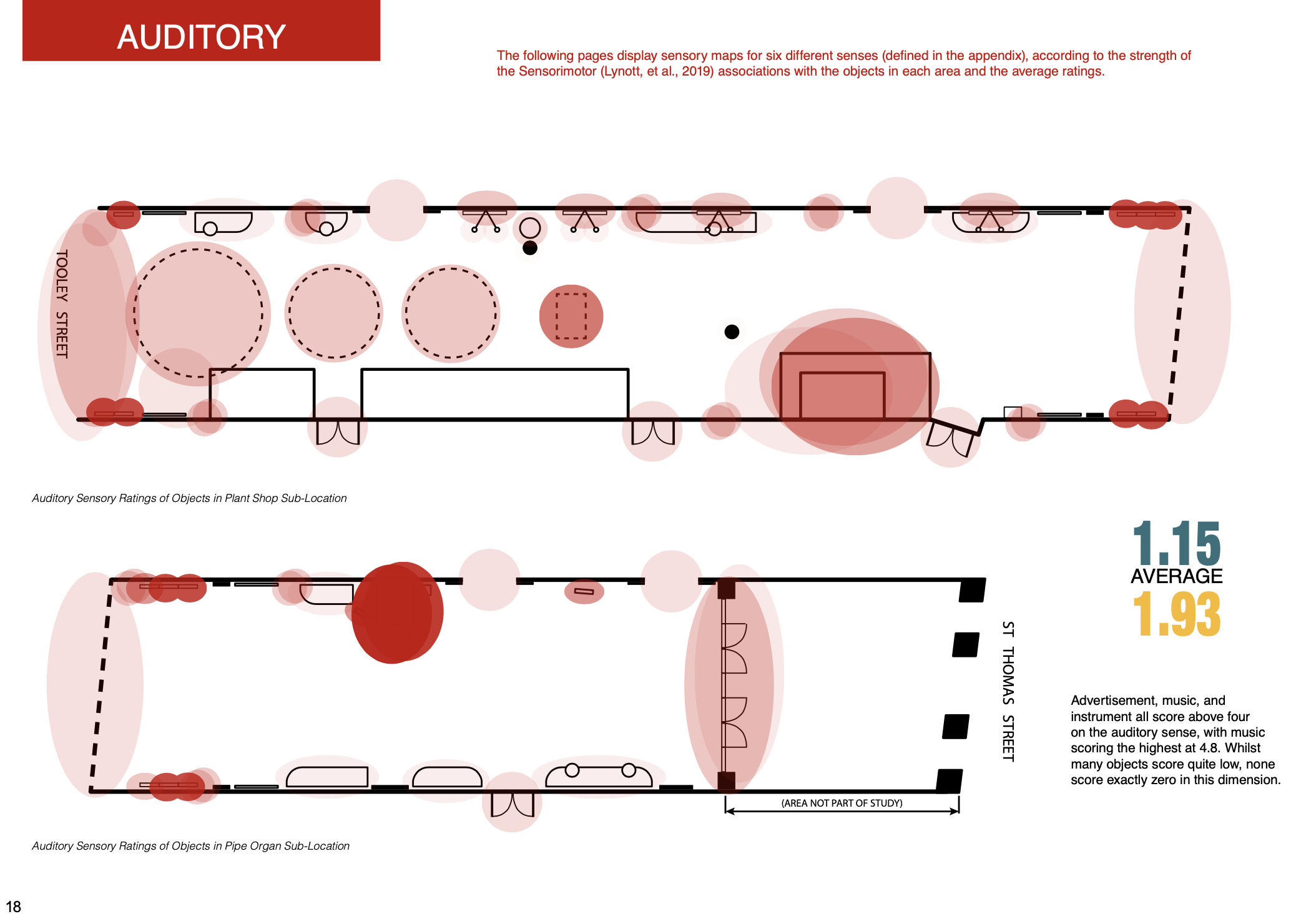
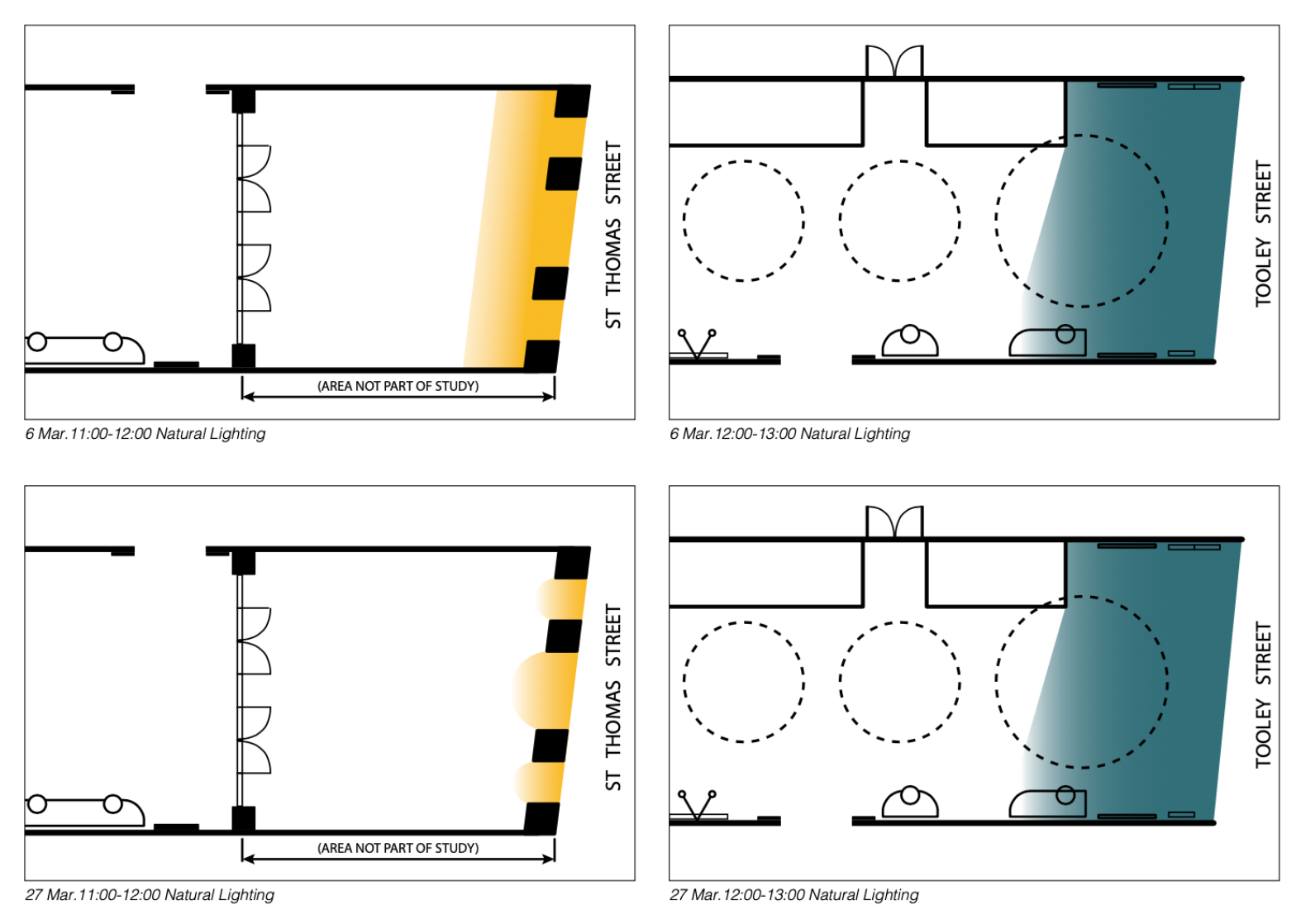
This project explored the designed components of two areas of the London Bridge Station environment, such as choice of lighting, availability of natural lighting, type and location of objects, noise levels, sound types and proximity, and extent of (multi)sensory engagement.
Policy Client: Architect at Hawkins\Brown
Duration: 10 months
Grade: Distinguished
Brief:
1 – Academic research output communicating findings to academics of various disciplines
2 – “Real-World” research output communicating findings to a named professional audience
Inspired by the book Transport for Humans: Are We Nearly There Yet? and my passion for designing spaces that have a positive impact, I chose to analyse Public Transport Environments. Our environments have a huge impact on our wellbeing, and we spend a long time in designed environments; however, these are often not designed with human (user) needs in-mind, especially transport environments. Through this research, I explore how people experience transport spaces, using the case study of London Bridge Station, and how its features play a role in these experiences. The aim is to highlight the successes and failures and apply these findings to the evaluation and design of other transport or public environments.
Skills Used:
- Ethnography
- Auto-ethnography
- Field Notes
- Mapping
- Design Principles
- Object Observation
- Data Documentation
- Behaviour Ethograms
- Python Coding
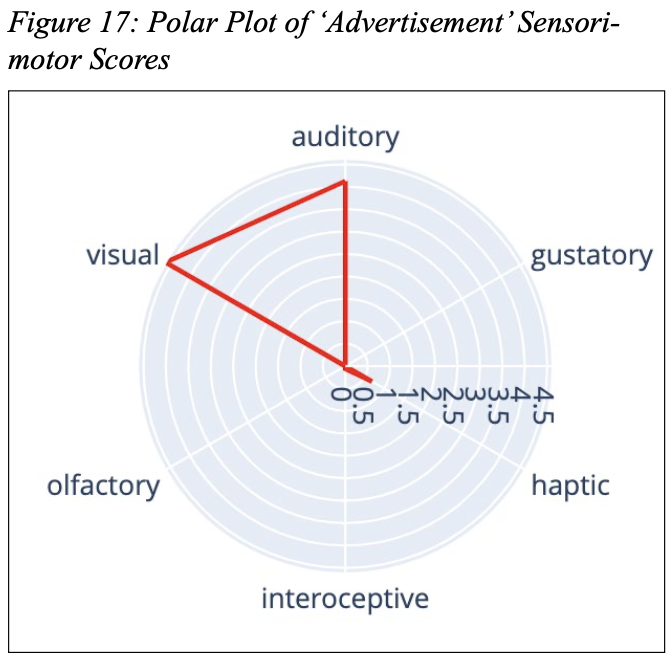
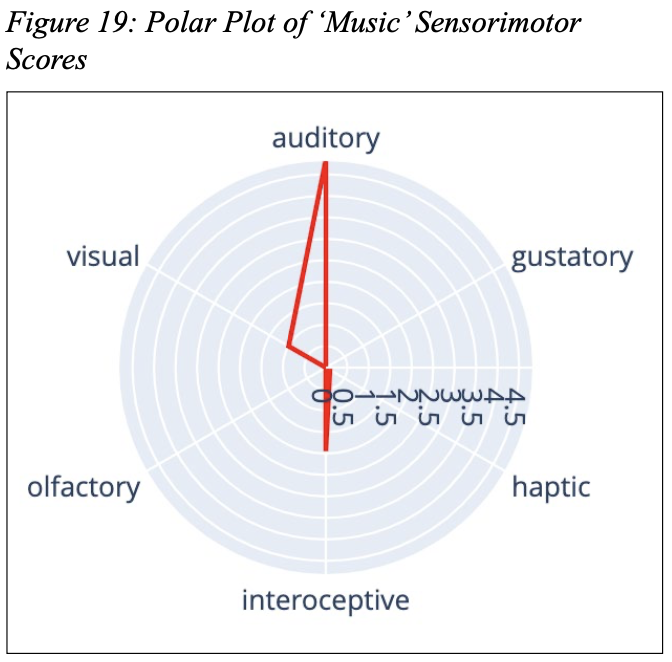
- Natural Language Processing: Sentiment analysis (VAD analysis, Sensorimotor analysis)
- Decibel Measures
- Illustration and Infographics
- Graphic Design
Process:
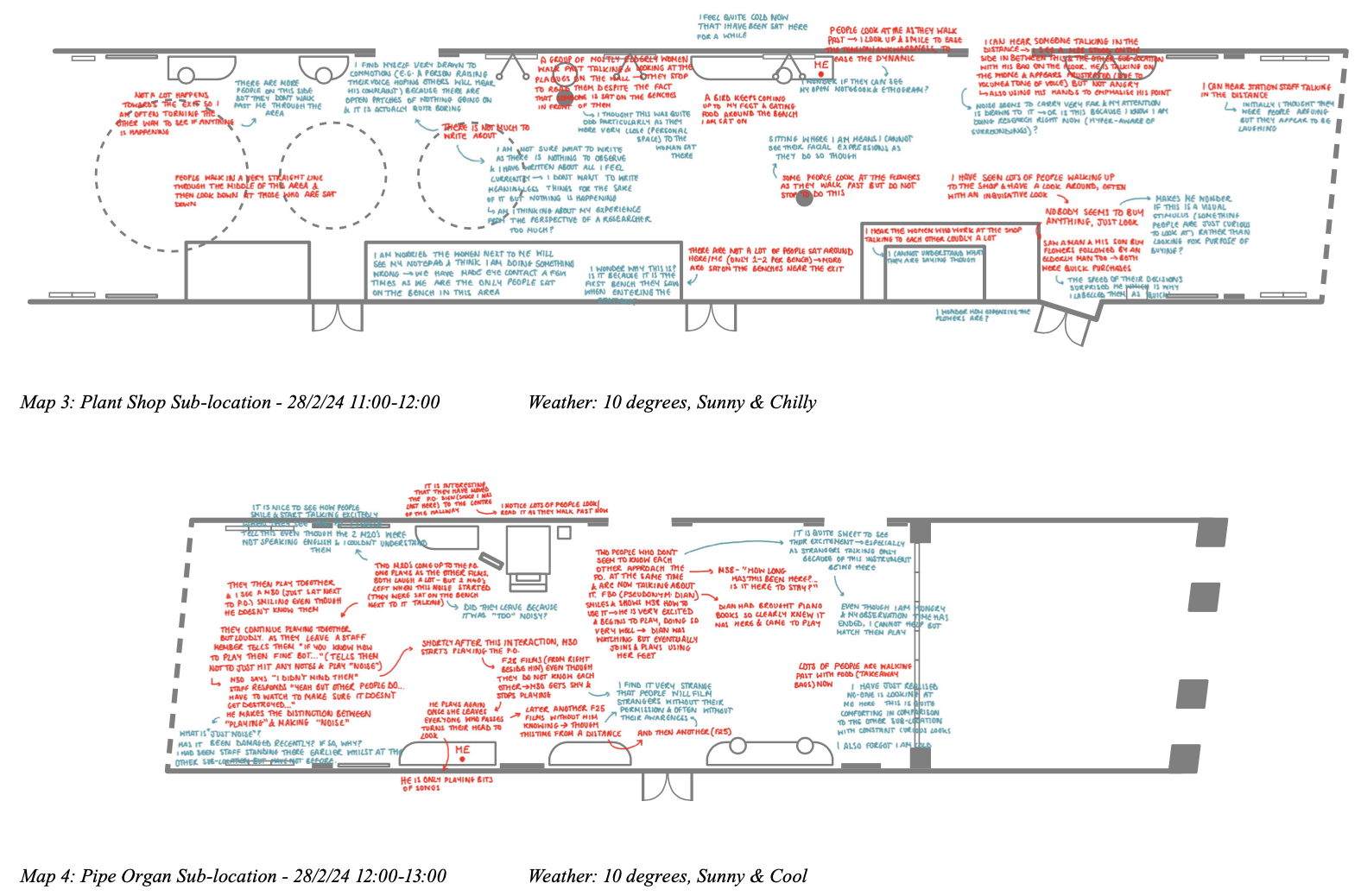
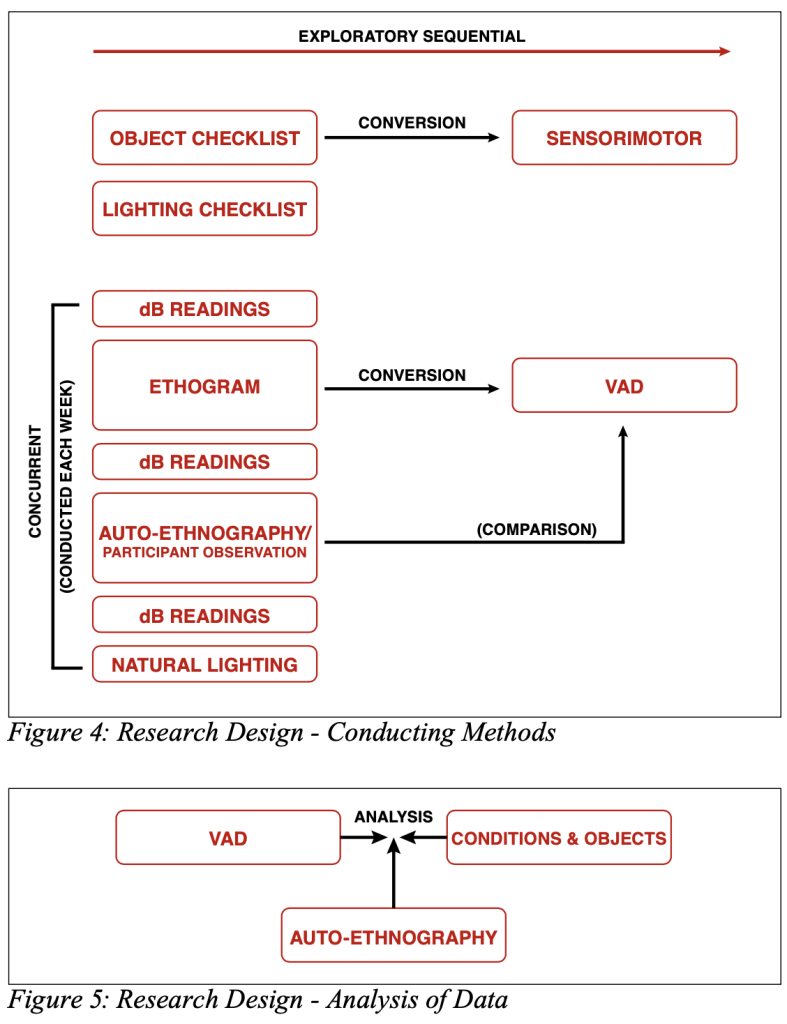
– Collect qualitative data: Auto-ethnographic field notes
– Collect quantitative data: Ethograms, Decibel Measures, Sensory Data, Object checklists, and Lighting Conditions
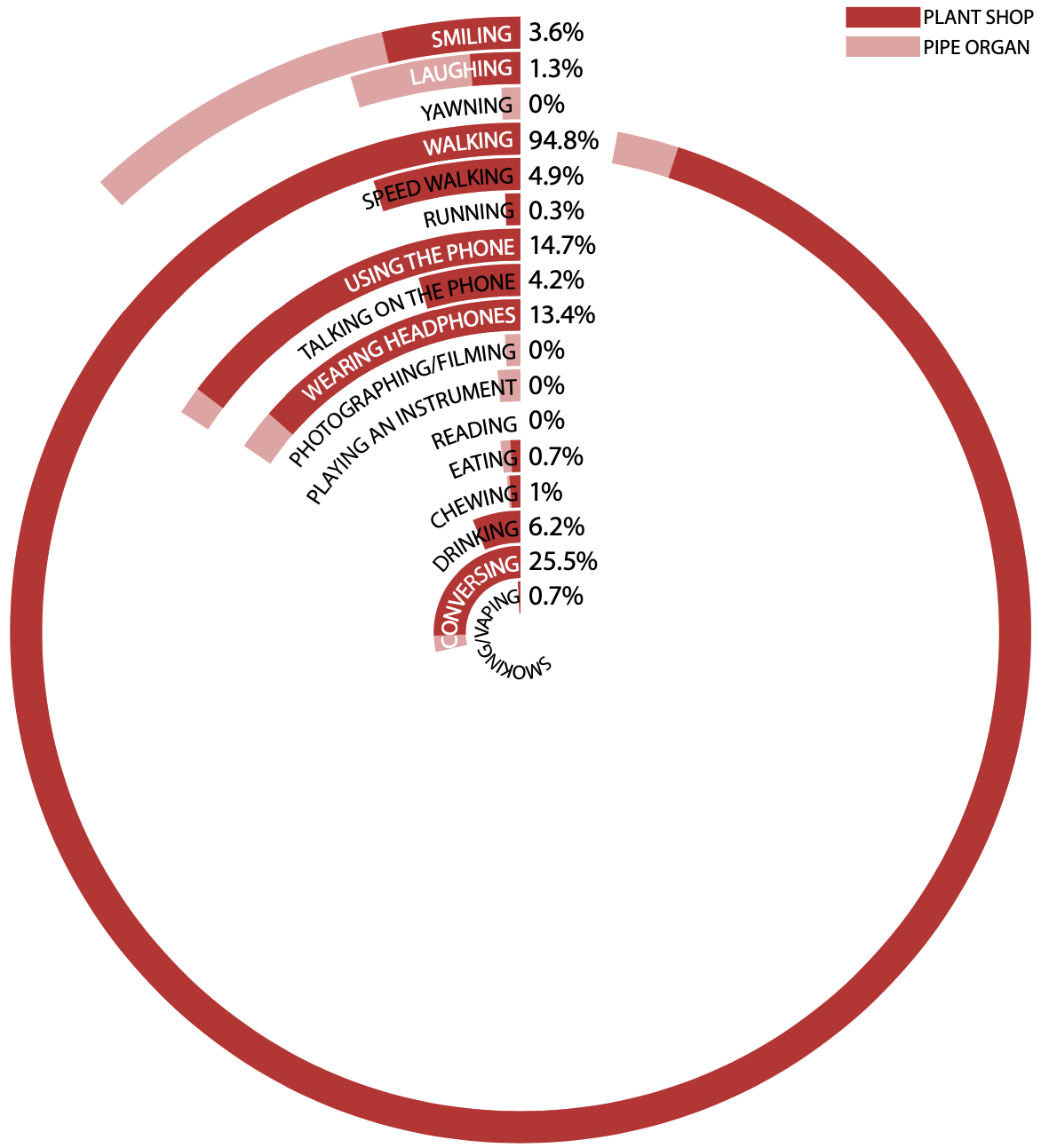
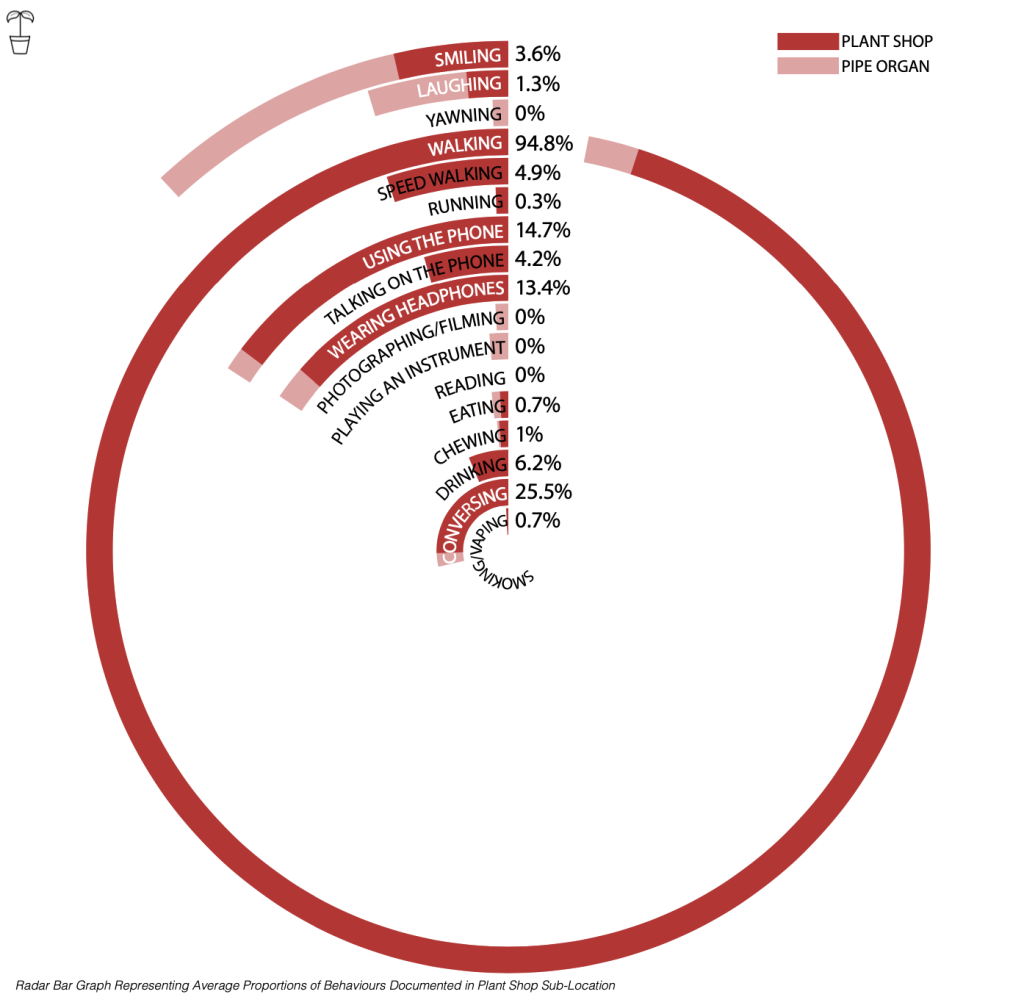
– Analyse ethogram data: Quantitise data to assess sentiment of the observed behaviours
– Analyse all data: cross-compare behavioural data with component/environment data and auto-ethnographic notes. Generate design principles from conclusions.
Outcome:
This research project concluded that the components of the London Bridge Station environment do impact the displayed wellbeing of its users. However, this is not a direct impact but rather the result of an accumulation of favourable/unfavourable components and one unfavourable component seems to be able to be compensated for by other more attractive components. Whilst it is important to consider all senses when designing, their value is still anchored in the ability to satisfy the visual sense. Overall, this research underlines the necessity of designing spaces to have a positive impact on user wellbeing by using well-informed data.
This project resulted in a portfolio directed to, and reviewed by, an architect at Hawkins\Brown who has worked on transport projects. The goal is for this work to aid the evaluation and design of public environments.
The London Festival of Architecture:
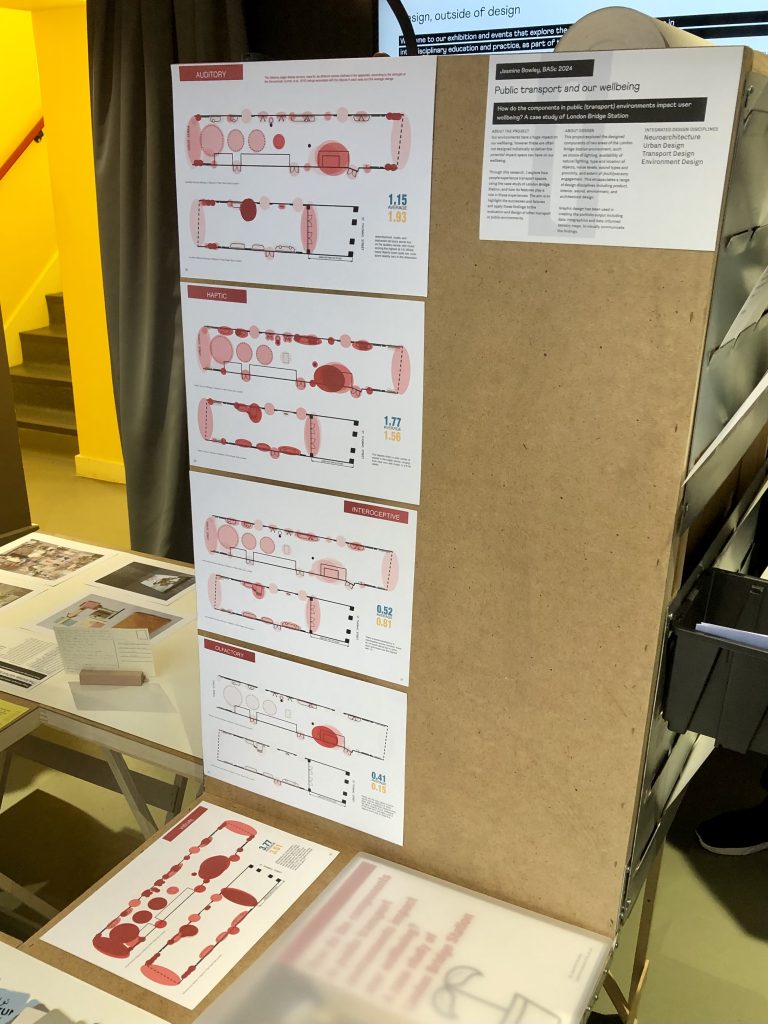
This project was also displayed as part of the ‘Design Outside of Design’ exhibition in the London Festival of Architecture 2024. Under LFA’s theme of ‘Reimagine’, this exhibition’s goal was to showcase the potential of design and its disciplines outside of their usual applications, and the responsibility of design in delivering change and positively impacting life. My project explored this theme through a range of design disciplines including product, interior, sound, environment, and architectural design, and design generally by using graphic design to visually communicate the findings, including data-infographics and data-informed sensory maps.